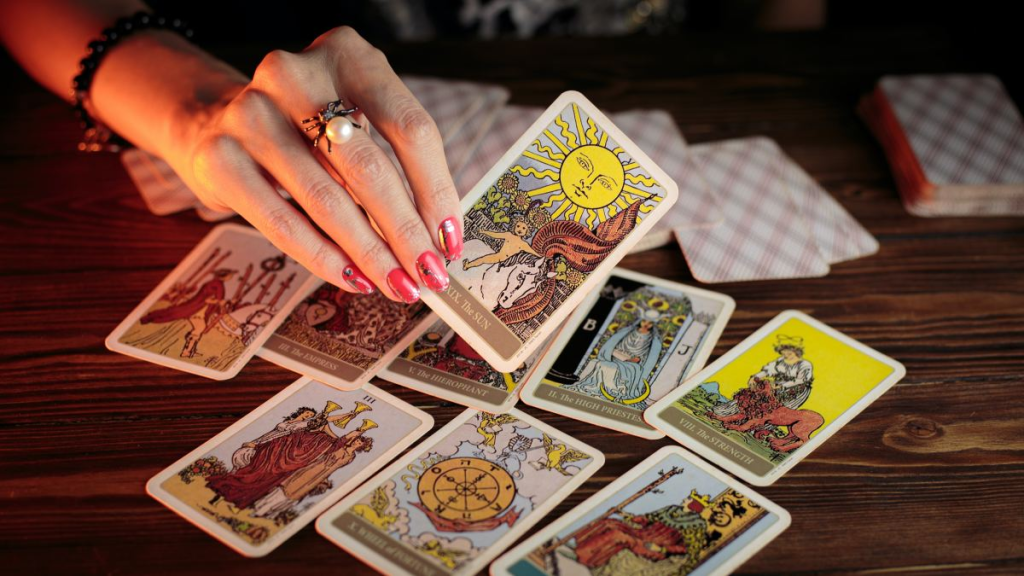
When most people think of Tarot cards, the first image that Freecreditmalaysia99 comes to mind is probably one of mystical divination. People may associate Tarot with fortune-telling, spiritual guidance, or self-reflection. However, Tarot cards have an even older and lesser-known history as a card game. For centuries, Tarot has been used for playing card games, particularly in Europe. While Tarot card games have largely faded into the background of modern card games, they still hold a place in history and continue to be enjoyed by enthusiasts today. This blog article explores the origins of Tarot as a card game, its historical development, and the rules of some of the most popular Tarot-based games.
The Origins of Tarot Cards
The origins of Tarot cards can be traced back to the 15th century in Europe, specifically in Italy. The earliest known Tarot deck was created around 1430 in Milan. Unlike modern Tarot decks, which are primarily used for divination, these early Tarot decks were created for a type of card game called “tarocchi” in Italian, or “tarot” in French.
Tarocchi was initially played by the Italian aristocracy and quickly spread throughout Europe. The earliest Tarot decks were hand-painted, which made them expensive and rare. Over time, however, these decks became more affordable with the advent of printing presses, leading to a boom in their popularity. The cards were used to play various trick-taking games, where players aimed to win tricks and score points based on the cards they collected.
Interestingly, the Tarot deck originally consisted of four suits, just like modern playing cards, but with the addition of a fifth suit called “trump cards.” These trump cards (also known as “trump cards” or “arcana”) were seen as powerful cards that could beat cards from the other suits, adding a strategic element to the game.
The Development of Tarot Card Games
As the game of Tarocchi spread throughout Europe, it evolved and adapted to regional preferences. By the late 15th and early 16th centuries, Tarot was being played in various forms across Italy, France, Germany, and other parts of Europe. It was not only a game for the elite but also became popular among commoners.
In France, Tarot became known as “Tarot de Marseille,” named after the French city of Marseille where this deck style became prominent. This version of the Tarot deck had a distinct style, with a design that included symbolic imagery, which eventually influenced the look of Tarot decks used for divination.
In the 18th and 19th centuries, the popularity of Tarot card games began to wane in favor of simpler card games like whist and bridge. However, Tarot continued to be played in various countries, especially in Italy and France. Some traditional card games like Tarot Français (French Tarot) and Tarocchi are still enjoyed today in their native countries.
Tarot as a Card Game Today
While Tarot is now best known for its mystical uses in divination, Tarot card games are still played in some parts of Europe, particularly in France. French Tarot, also known as Le Tarot, is one of the most popular versions of the game and is played using a standard Tarot deck. Players still gather around to engage in this unique card game, which combines elements of trick-taking, strategy, and collaboration.
Rules of Tarot Card Games
There are several versions of Tarot card games, but most share common features and basic gameplay mechanics. The most commonly played Tarot card game today is French Tarot, which uses a 78-card deck consisting of 22 Major Arcana cards (the trumps) and 56 Minor Arcana cards, divided into four suits: cups, swords, coins, and wands.
- French Tarot (Le Tarot)
Number of Players: 3-5 players.
Objective: The goal is to score the most points by winning tricks. The game uses the trick-taking format, where players play one card at a time, and the highest card of the leading suit wins the trick.
Card Values and Setup:
The game uses the full 78-card deck, consisting of 22 trumps (Major Arcana) and 56 numbered cards (Minor Arcana).
The trumps range from 1 (the Fool) to 21 (the World), with higher-numbered trumps being stronger.
The suits of Minor Arcana are represented by the traditional suits of cups, swords, coins, and wands.
At the start of the game, players are dealt a hand of cards, and a trump suit is established based on the deck. The dealer also sets a specific role for each player, which can include being the “Declarer,” who takes the lead in determining the outcome of the game.
Gameplay:
The game is divided into several rounds or “tricks.”
In each trick, the first player leads with a card, and the other players follow by playing a card of the same suit or a trump card.
The highest card in the leading suit wins the trick unless a trump card is played, in which case the highest trump wins.
The declarer’s team tries to win the most points by collecting tricks with high-value cards, especially trumps.
Scoring:
The point system rewards players based on the cards they win in tricks. Each suit and trump card has a specific point value.
At the end of the game, the team or player with the most points wins.
- Italian Tarocchi
Italian Tarocchi is a variant that is similar to French Tarot, but with a few differences in card rankings, rules, and play style. The game typically requires 4 players, and instead of working in teams, players compete individually to win the most points.
- Other Tarot Games:
Apart from French Tarot and Italian Tarocchi, there are many regional variants of Tarot games, including Swiss Tarot and Austrian Tarock. Each game has its own set of unique rules, but the core mechanics of trick-taking and the importance of trump cards remain consistent.
Conclusion
While Tarot cards are most commonly associated with divination today, their history as a card game is rich and storied. From their origins in the courts of Renaissance Italy to their present-day use in games like French Tarot, Tarot cards have always been a source of entertainment, strategy, and social interaction. The unique combination of trumps, suits, and scoring makes Tarot card games an intriguing and enjoyable experience. Whether you’re drawn to Tarot for its mystical properties or its competitive card play, there’s no denying the lasting appeal of Tarot as a game. So next time you pull out your Tarot deck, consider not only its spiritual significance but also its historical legacy as a game that has entertained and challenged players for centuries.
 Site Title